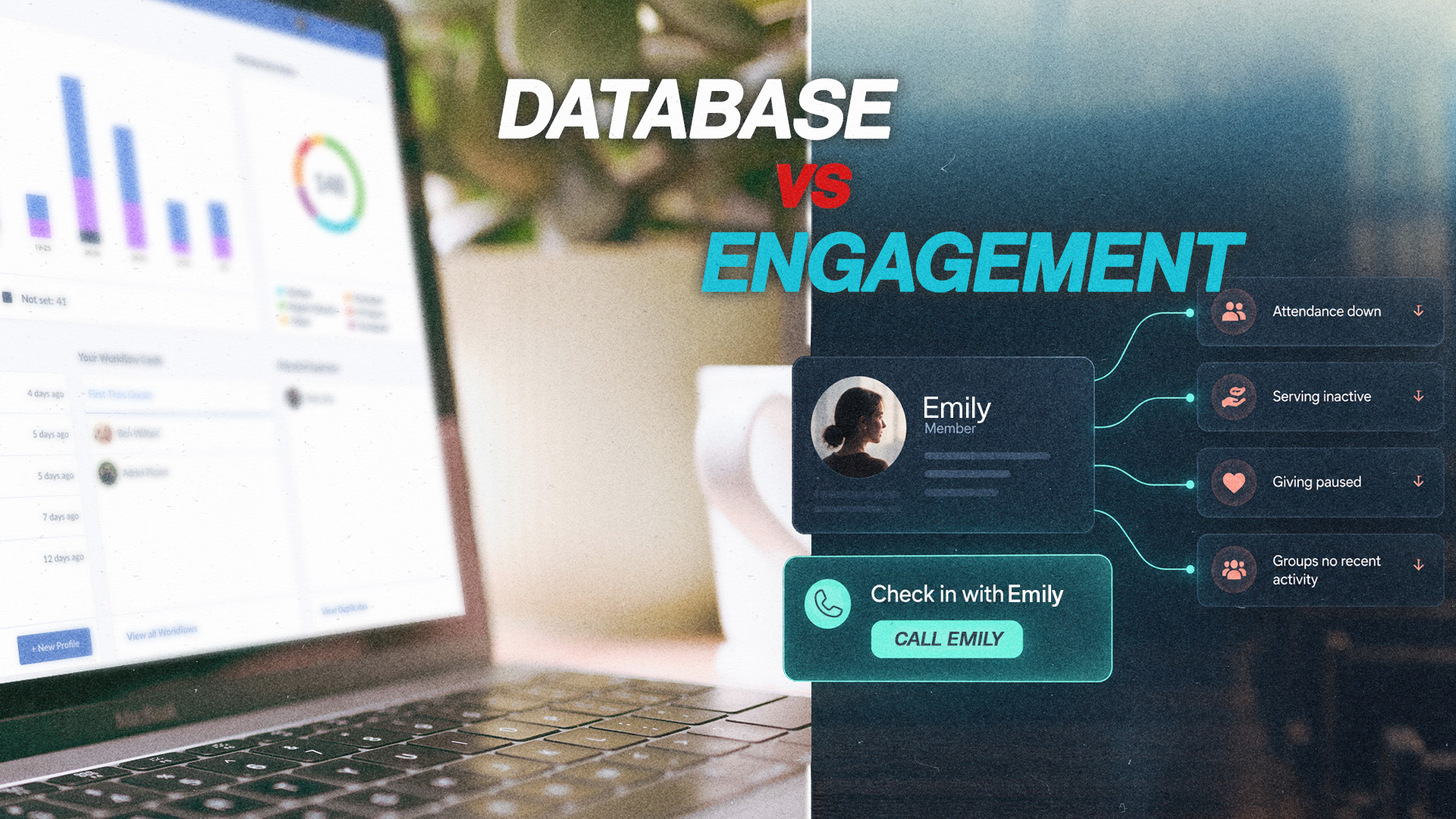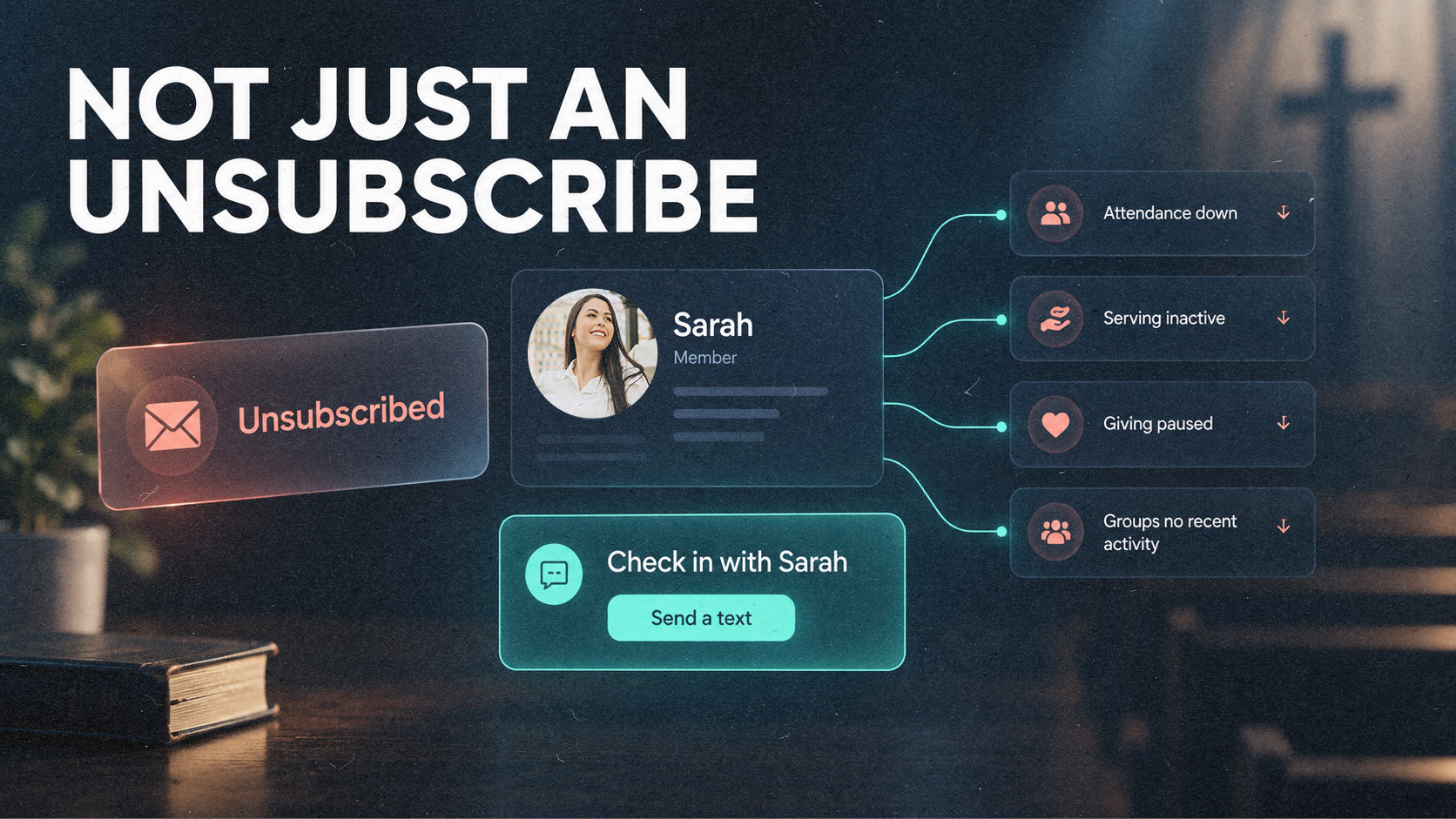

Most pastors feel it every week. Attendance rhythms are changing. Your people still value your church, yet they join in different ways. Some watch online. Some come twice a month. Some join a small group but rarely make it on Sundays. You care deeply about each person, yet it is harder to know who is connected and who is quietly drifting.
The good news is this. Hybrid ministry is not a barrier to pastoring well. It is an opportunity to shepherd with new tools, new touchpoints, and the same Gospel-centered heart.
The New Reality of Hybrid Pastoring
For many churches, Sunday is no longer the only gathering point. Families travel more. People work unpredictable schedules. Online worship has become a lifeline for those who want to stay connected even when they cannot be in the room.
This shift is not a sign of shrinking commitment. It is a sign that life has become more complex. The challenge pastors face is visibility. It is easier for someone to slip through the cracks without anyone noticing, a concern echoed throughout Nurture.io’s engagement-focused articles.
Pastors need a simple way to stay connected to people they may rarely see in person.
Shepherding Across Distance
Presence Travels
Shepherding has never been limited to one location. Jesus cared for people on hillsides, in homes, and on long roads. You can do the same today through simple, personal connections that reach into the spaces where your people live.
A quick text can carry as much care as a handshake. A two-minute voice memo can feel as warm as a lobby conversation. A short check-in after an online service can open a meaningful bridge.
What matters most is not geography. It is intentional presence.
Build Simple Weekly Touchpoints
Your team does not need to overhaul its schedule. A few small rhythms make a big difference.
- Send a warm follow-up to first-time online viewers.
- Text someone who has been absent for a few weeks.
- Invite digital attendees to share prayer needs during or after the service.
- Encourage small group leaders to reach out between meetings.
These tiny moments create a sense of being seen.
Tracking Engagement When Attendance Is Irregular
Focus on Patterns, Not One Sunday
In a hybrid world, engagement looks different. People may watch faithfully online but attend in person less often. They may participate in a group but not volunteer. This means one missed Sunday does not tell the full story.
Senior pastors benefit from watching for changes over time. A shift in serving consistency. A drop in communication response. A pattern of missed group meetings. These signals help you understand who might need care.
Define Clear Thresholds
Your team cannot watch everything manually. A few simple thresholds keep things manageable.
- Three missed Sundays prompts a check-in.
- Multiple canceled volunteer shifts triggers follow-up.
- A small group absence for several weeks leads to a personal touchpoint.
Clear lines remove guessing and keep pastoral care proactive, not reactive.
Caring for Digital Attendees
Treat Online Participation as Real Participation
Many pastors still struggle to know what to make of online worship. Here is the truth. People who attend digitally are not less connected. They are connecting differently. They still hear the Word, respond in worship, and look for community.
Your care can meet them right where they are.
Create a Path to Be Known
Digital attendees often want to engage but are unsure how. Simple pathways help.
- Invite prayer requests during the livestream.
- Reach out afterward to thank them for joining.
- Offer one clear next step, such as a welcome call or short online class.
When people know they can be known, they grow in confidence and belonging.
Hybrid Groups and Connection Points
Multiple Formats, One Goal
Hybrid small groups are no longer unusual. They are practical. Some meet fully online. Others mix in-person gatherings with virtual check-ins. The structure matters less than the relational space they create.
When pastors support flexible formats, more people stay connected. Traveling families. Shift workers. Newcomers who want to try a group before visiting in person.
Provide Easy On-Ramps
A few ideas that work across churches:
- A monthly online newcomers group.
- A short, four-week hybrid Bible study.
- A digital prayer gathering for busy seasons.
These spaces build connection and reduce isolation.
A Simple Pastoral Framework for the Hybrid Era
You do not need a complicated system. You only need a clear path.
Notice
Use tools or simple rhythms that show who may be drifting.
Reach Out
Send a short, personal message that communicates genuine care.
Respond
Offer a clear next step that fits in-person or online life.
Walk With People
Stay consistent. Care grows through presence over time.
Final Encouragement
You can pastor well even when you do not see everyone weekly. Your calling has not changed. Your reach has simply expanded. When you notice small shifts, take initiative, and offer simple next steps, people feel known and valued.
Start today. Think of one person you have not seen in a while. Send a short message. Open a door. Care begins with noticing.
If you want clearer visibility into engagement patterns across your hybrid church, Nurture.io can help you see what is changing and who needs care next.